
Hip Osteoarthritis: What Are the Symptoms and How Is It Treated?
Understanding Hip Arthritis Pain, Causes, and Long-Term Relief Options
Hip osteoarthritis is one of the most common causes of joint pain, especially as people age. It can start as mild stiffness or discomfort, but over time, it may impact your ability to walk, exercise, or even complete everyday tasks. At Signature Orthopedics, we help patients understand their condition and explore effective treatment options that improve mobility and quality of life.
Our team is committed to providing personalized orthopedic care that focuses on both immediate relief and long-term outcomes. Whether you are dealing with early symptoms or more advanced hip arthritis, we take the time to evaluate your needs and develop a treatment plan tailored to your lifestyle.
In active communities where people enjoy staying mobile, whether walking local trails, working, or spending time with family, hip osteoarthritis can feel especially limiting. The good news is that with the right approach, many patients can manage symptoms and return to the activities they enjoy. This guide will help you better understand hip osteoarthritis, its symptoms, and the treatment options available.
What Is Hip Osteoarthritis?
Hip osteoarthritis is a degenerative joint condition that occurs when the cartilage in the hip joint gradually wears down. Cartilage acts as a cushion between bones, allowing smooth and pain-free movement. As it breaks down, bones may begin to rub against each other, causing pain, stiffness, and reduced mobility.
This condition typically develops over time and is most common in adults over the age of 50. However, it can also occur earlier due to injury, genetics, or repetitive stress on the joint.
Common Causes of Hip Osteoarthritis
- Natural wear and tear over time
- Previous hip injuries or trauma
- Repetitive movements or overuse
- Genetics or family history
- Joint misalignment or structural issues
Understanding the cause of your symptoms can help guide the best treatment approach.
Recognizing the Symptoms Early
Hip osteoarthritis symptoms often begin gradually and worsen over time. Many patients initially notice mild discomfort that becomes more persistent.
Common Symptoms
- Pain in the hip, groin, or thigh
- Stiffness, especially in the morning or after sitting
- Reduced range of motion
- Clicking or grinding sensations in the joint
- Difficulty walking, bending, or climbing stairs
As the condition progresses, pain may occur even during rest or sleep. Early diagnosis is important because it allows for more treatment options and better outcomes.
Why Treatment Matters
Ignoring hip osteoarthritis can lead to increased pain and decreased mobility. Over time, the condition may affect your ability to stay active and independent.
Treatment is not just about reducing pain. It is about preserving joint function and improving your overall quality of life.
Benefits of Early Treatment
- Slows progression of joint damage
- Reduces inflammation and discomfort
- Improves mobility and flexibility
- Helps maintain an active lifestyle
For many patients, early intervention can delay or even prevent the need for more advanced procedures.
Non-Surgical Treatment Options
In many cases, hip osteoarthritis can be managed without surgery, especially in its early stages. Non-surgical treatments focus on reducing pain and improving function.
Physical Therapy and Exercise
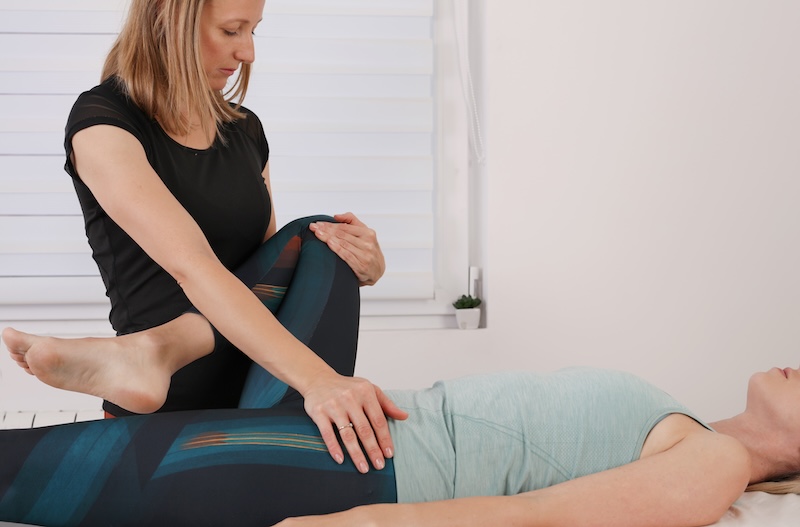
Targeted exercises can strengthen the muscles around the hip, improve flexibility, and reduce strain on the joint.
Medications
Over-the-counter or prescription medications may help reduce pain and inflammation.
Lifestyle Modifications
Small changes, such as maintaining a healthy weight or adjusting daily activities, can reduce stress on the hip joint.
Injections
Corticosteroid or other joint injections may provide temporary relief for inflammation and pain.
These treatments are often combined to create a comprehensive plan that meets each patient’s needs.
When Surgery May Be Recommended
If non-surgical treatments are no longer effective, surgical options may be considered. The most common procedure for advanced hip osteoarthritis is hip replacement surgery.
What Is Hip Replacement?
Hip replacement involves removing the damaged joint and replacing it with a prosthetic implant. This can significantly reduce pain and restore mobility.
Who Is a Candidate?
Surgery is typically recommended for patients who:
- Experience persistent pain that limits daily activities
- Have significant joint damage
- Do not find relief with conservative treatments
Advancements in surgical techniques have made hip replacement more effective and have improved recovery times.
The Signature Orthopedics Approach
At Signature Orthopedics, we take a patient-centered approach to treating hip osteoarthritis. We understand that every patient’s experience is different, which is why we focus on personalized care.
Our process includes:
- A thorough evaluation and diagnosis
- Clear explanation of treatment options
- A customized plan based on your goals and lifestyle
We prioritize communication and support at every stage, helping you feel confident in your care decisions.
Our goal is not just to treat symptoms, but to help you regain mobility and improve your overall quality of life.
Tips for Managing Hip Osteoarthritis at Home
While professional treatment is essential, there are steps you can take at home to help manage symptoms.
- Stay active with low-impact exercises such as walking or swimming
- Use heat or ice to manage pain and stiffness
- Maintain a healthy weight to reduce joint stress
- Avoid high-impact activities that strain the hip
Consistency with these habits can make a noticeable difference in how you feel day to day.
The Bottom Line
Hip osteoarthritis is a common condition, but it does not have to limit your life. With early diagnosis and the right treatment plan, many patients are able to reduce pain, improve mobility, and stay active.
From non-surgical therapies to advanced surgical options, there are solutions available to help you move more comfortably and confidently.
Ready to Take the Next Step Toward Relief?
If you are experiencing hip pain or think you may have hip osteoarthritis, Signature Orthopedics is here to help.
Our team will guide you through your options and create a personalized treatment plan designed to restore your mobility and improve your quality of life.
Ready to get started? Contact us today to schedule your consultation and take the first step toward lasting relief.